Home Snagging in Dubai: Inspection Steps and Cost
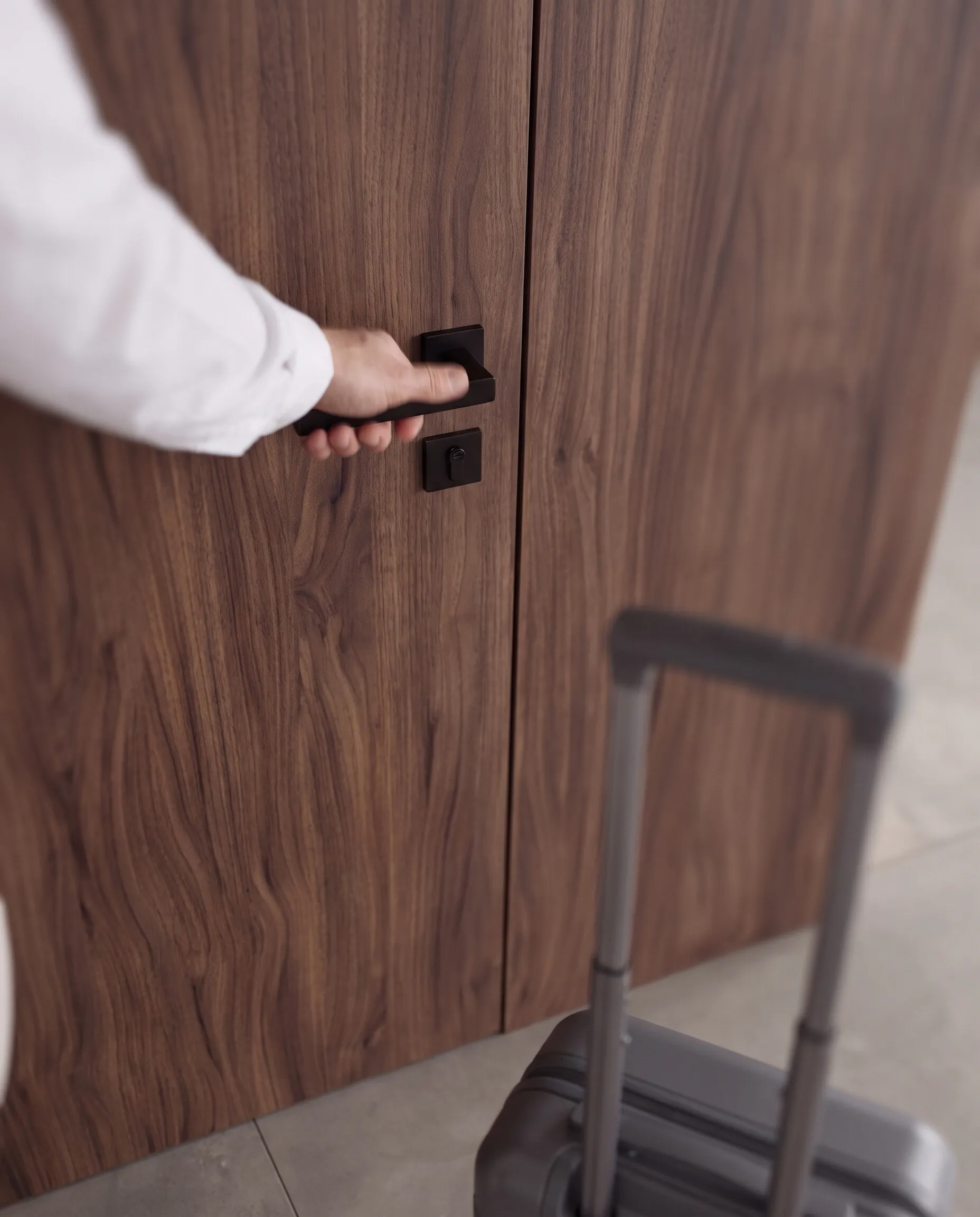
Snagging is a room-by-room inspection of a finished home to find defects before you accept it: chipped tiles, uneven paint, doors that catch, sockets that do not work, leaks. In Dubai it is most often done on a new-build apartment or villa before handover. It is just as useful after a renovation. As a rough guide in 2026, a professional snagging inspection typically costs AED 1,000–3,500 per unit, depending on size and scope.
The point is simple. Once you accept the keys, proving that a defect was there from the start gets harder. A written list, with photos, handed over while the contractor or developer is still obliged to finish the job, is the strongest position you can be in.
What snagging covers in a Dubai home
A snag is any item that does not meet the drawings, the specification or normal workmanship. Most are cosmetic. A few are not, and those are why the inspection is worth doing. Typical areas to check:
- Walls and ceilings: paint patches, roller marks, cracks at corners, uneven plaster, gypsum joints that show through.
- Floors and tiles: hollow-sounding tiles, lippage between tiles, uneven joints, cracked or chipped pieces, gaps at skirting.
- Wet areas: slope to the drain, silicone at joints, leaks under sinks, water pressure, extractor fans that actually extract.
- Joinery: doors that rub or do not latch, wardrobe hinges, drawer runners, kitchen cabinet alignment.
- Electrics: every socket and switch, lights, the distribution board labelling, any trip when several appliances run together.
- AC and ventilation: each unit cools, drains properly and does not drip; thermostats respond.
- Windows and balcony doors: seals, locks, tracks, glass scratches.
Dubai heat and humidity make some defects show late. A badly sealed joint around a shower or a poorly drained AC line may look fine on the day and stain a ceiling a month later. That is why wet areas and AC get extra attention.
How a snagging inspection goes, step by step
- Fix the handover date and book early. Book the inspection about 5–7 days before handover so there is time to report defects and agree repairs. Leaving it to the day of handover puts you under pressure to sign.
- Prepare the paperwork. Bring the approved drawings, finishes schedule and, for a renovation, the quote and contract. You can only judge what is wrong against what was promised.
- Inspect room by room in daylight. Check with the lights on and off, with curtains open, and with a torch held at a low angle along walls to show unevenness. Test every tap, switch, socket, door and window, not just a sample.
- Record each defect with a photo and a location. Use a numbered list: room, item, what is wrong, photo reference. Vague entries such as "paint poor" are easy to dispute.
- Send the list in writing. Email the itemised list to the developer or contractor and ask for a written timeline for rectification.
- Re-inspect before you sign off. Go back with the same list and tick items off. Anything unfixed stays on the list in writing.
Snagging a new-build versus a renovated home
With a new-build, the developer is responsible for the defects, and the process runs through their handover team. The usual practice is to report defects in writing and request a written rectification timeline. The post-handover defects period is typically around 12 months, but check the length and conditions in your own sale documents or with the developer.
With a renovation, the contract governs. We hand over against a checklist, with cleaning and a written warranty, and hidden works such as pipes, cables and waterproofing are photographed before they are covered, so you can see what is behind the finish. Wet areas are flood-tested for 24 hours before any tile goes down, which removes the most expensive snag before it can exist. If you want a clear picture of how to protect yourself, read our guide to renovation contract clauses in Dubai.
Do not sign the handover document until your defect list is attached to it or acknowledged in writing. Verbal promises to "fix it next week" are hard to enforce later, and a signed acceptance can be read as agreement that the home was delivered in good order.
What snagging costs and what drives the price
Across the guides we reviewed, a professional snagging inspection typically ranges from AED 1,000 to 3,500 per unit in 2026. Where you fall in that range depends on:
- the size of the unit: a studio takes far less time than a five-bedroom villa;
- whether the inspector uses tools such as a moisture meter or thermal camera;
- whether you want a re-inspection after repairs;
- how detailed the written report and photo set are.
Compare that with the cost of a hidden defect. A leaking bathroom can mean removing tiles, re-doing waterproofing and repairing the ceiling below. For context on what that work costs, see our guide on bathroom waterproofing in Dubai.
Stages of a snagging process: who does what
| Stage | Timing | Who does it |
|---|---|---|
| Book the inspection | About 5–7 days before handover | Owner |
| Walk-through and testing | Depends on unit size | Inspector or owner |
| Written defect list with photos | Same or next day, while memory is fresh | Inspector or owner |
| Submit list to developer or contractor | Before signing handover | Owner |
| Agree rectification timeline in writing | Set by the developer or contract | Developer or contractor |
| Repairs | Depends on the number and type of snags | Developer or contractor |
| Re-inspection and sign-off | After repairs are reported complete | Owner or inspector |
Who should do the inspection
You can walk through the home yourself with a checklist, and for a small apartment that catches a lot. A specialist inspector adds equipment, a trained eye for things like hollow tiles and AC drainage, and a report that carries weight with a developer. For a villa, or if you are abroad and cannot attend, a professional is usually the better choice.
If the property is a rental or an investment, the report also gives you a baseline to hand to a tenant or buyer. If you are managing the process remotely, our article on renovating a Dubai apartment from abroad explains how video-call acceptance works at each stage.
Snagging lists often reveal the same recurring problems. Our write-up of common renovation mistakes in Dubai homes shows which of them to check first.
Book the inspection 5–7 days before handover, check every room against the drawings, and put every defect in writing with a photo. Budget roughly AED 1,000–3,500 for a professional inspection, and do not accept the keys until the list is acknowledged. If the snags are renovation work, we can quote the repairs after a survey.
Need defects fixed or a renovation done right first time?
We survey, measure and photograph your home, then give you an itemised quote with the price and timeline fixed in the contract. See how we work or our services.
Book a site surveyFAQ
When should I book a snagging inspection in Dubai?
Typically about 5–7 days before handover, so there is time to report defects and agree repairs. Booking earlier is fine if the unit is already complete. Booking on handover day leaves little room to negotiate.
How much does a snagging inspection cost in Dubai?
As a rough guide in 2026, typically AED 1,000–3,500 per unit. The price depends on unit size, the equipment used, and whether a re-inspection after repairs is included.
Is snagging only for new-build properties?
No. It is most common on new-builds, but it works equally well after a renovation. For a renovation, the contract and drawings are the standard you check against, and a handover checklist keeps the process orderly.
What should a snagging report include?
An itemised list with room, item, description of the defect and a photo reference for each one. Send it in writing and ask for a written rectification timeline. Keep a copy of every reply.